
National Minority Mental Health Awareness Month
Quick Facts
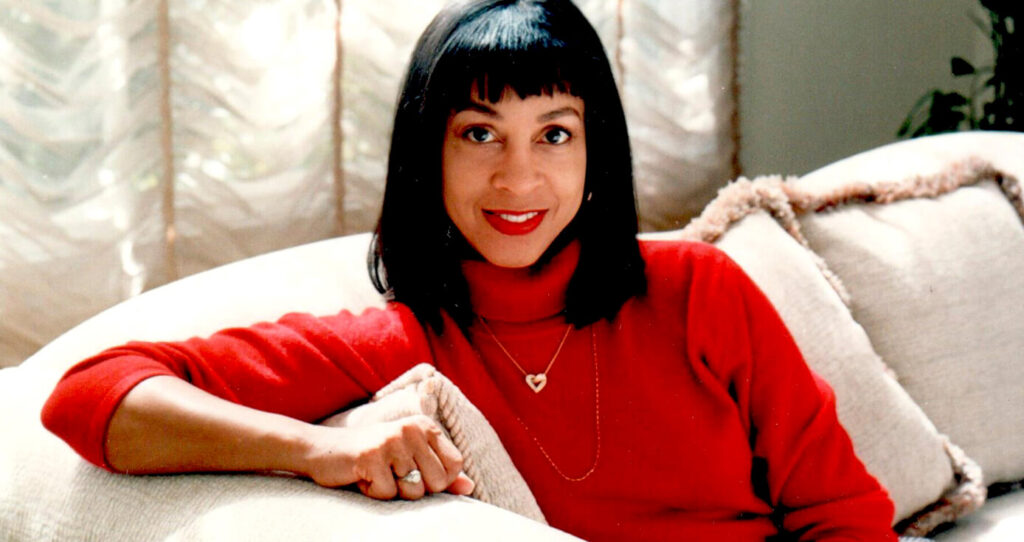
National Minority Mental Health Month was started by Bebe Moore Campbell, the co-founder of the National Alliance of Mental Illness Urban Los Angeles (NAMI). Campbell was an author, advocate, and national spokeswoman who pushed for mental health education and support among individuals from diverse communities.
In 2005, Campbell and her longtime friend Linda Wharton-Boyd worked together to outline the concept of National Minority Mental Health Awareness Month. They soon gained support from the D.C. Department of Mental Health and then-mayor Anthony Williams. They began holding news conferences in Southeast D.C. to encourage residents to get mental health checkups. Campbell and Wharton-Boyd also held book signings, spoke in churches, and formed a National Minority Mental Health Taskforce.
Campbell’s noteworthy and strong efforts would soon come to an end after being diagnosed with cancer. She served until she could no longer continue. Unfortunately, she died at the young age of 56 on November 27, 2006. She is remembered, and her work continued through Wharton-Boyd and through friends, family, and allies. In May 2008, with the help of Representatives Albert Wynn [D-MD] and Diane Watson [D-CA], the US House of Representatives announced July as Bebe Moore Campbell National Minority Mental Health Awareness Month.
Why This Is Important
Why BIPOCs Are More Likely to Struggle With Their Mental Health
This is not a straightforward answer, but many problems BIPOC face are due to racism. Imagine living a life where you are judged, harassed, treated differently, and threatened because of the color of your skin. That alone, I would imagine, is a lot to bear, but it does not stop there. The impact racism has on BIPOC lives affects their schooling, getting a decent paying job, receiving adequate health care, and more. And when BIPOCs finally get the courage to seek mental health therapy, they are less likely to get the proper help.
Did you know that physicians are 23% more verbally dominant when speaking with Black patients and use 33% less patient-centered language than when treating white patients? The BIPOC community is less likely to seek mental healthcare, and they are more likely to have their mental health care end prematurely. Other barriers include not having health insurance or finances for affordable care, encountering language barriers, experiencing racial biases by healthcare providers, and more.
Minority Mental Health Awareness Month was created for this very reason. The National Alliance of Mental Health’s two main goals are:
- Improve access to mental health treatment and services and promote public awareness of mental illness
- Use Bebe Moore Campbell National Minority Mental Health Awareness Month to enhance public awareness of mental illness and mental illness among minorities
So How Can We Support?
- Of course, we can start by educating ourselves about this overwhelming issue. We will share some more resources later this month.
- We can support organizations such as NAMI through our financial giving and or volunteering.
- Most importantly, we can be kind and caring to one another through our actions and words. It costs nothing to smile, listen, and try to understand the plight of others’ pain.
Happy Minority Mental Health Awareness Month from Guide to HR.
Share this:
- Share on LinkedIn (Opens in new window) LinkedIn
- Share on X (Opens in new window) X
- Share on Facebook (Opens in new window) Facebook
- Email a link to a friend (Opens in new window) Email
- More
- Share on Pinterest (Opens in new window) Pinterest
- Print (Opens in new window) Print
- Share on Pocket (Opens in new window) Pocket
- Share on Reddit (Opens in new window) Reddit
- Share on Telegram (Opens in new window) Telegram
- Share on Tumblr (Opens in new window) Tumblr
- Share on WhatsApp (Opens in new window) WhatsApp